What is Customs Clearance? The Role of Customs Procedures in International Shipping
← Articles / Shipping cost & customs
What is Customs Clearance?
Customs Clearance is the process of regulating and inspecting goods being imported or exported internationally to ensure that their movement complies with the laws and regulations of the relevant countries. When goods are shipped from one country to another, they are not merely items traveling through a logistics network; they are also part of international trade activities, where each nation has the authority to establish rules and regulations regarding its imports and exports. Therefore, Customs Clearance is a vital process that connects physical cargo transportation with the legal and commercial systems of each country.
What is the Role of Customs in International Trade?
Customs authorities do much more than just inspect goods crossing borders. They ensure that imports and exports comply with the law while supporting an orderly international trade system. Key roles of customs include:
- Regulating Imports and Exports: Customs oversees goods entering and leaving the country to ensure compliance with national laws and control measures. Certain items may be imported or exported conditionally, while others require specific permits or are subject to strict restrictions.
- Inspecting and Classifying Goods: Accurately identifying product types is crucial for customs clearance because different goods carry varying tax rates and regulatory requirements. This classification relies on the Harmonized System (HS Code), which serves as a foundational tool in international trade.
- Valuing Goods for Customs Purposes: Product value is a key component used to assess duties, taxes, and complete customs formalities. Customs valuation must follow prescribed rules and methods and does not necessarily have to match the transaction price shown on commercial invoices in every case.
- Collecting Duties and Taxes: Collecting import tariffs and taxes is a core duty of customs authorities. The types and amounts collected depend on the product's HS Code, customs value, country of origin, and applicable laws.
- Preventing Illegal Activities: Customs is responsible for preventing and inspecting the smuggling of illegal goods, prohibited items, and products that fail to meet national control measures, thereby safeguarding public safety and national interests.
How Do Goods Move Through the Customs Process?
International shipping generally involves customs clearance procedures in both the origin and destination countries. The overall process can be broken down as follows:
- Export Customs Clearance: Before goods leave the origin country, they must comply with local export regulations. Product data and related details are submitted for customs inspection. Once export approval is granted, the goods are cleared to depart the country according to schedule.
- International Transportation: Once the necessary export formalities are completed, the goods enter the international transit phase—whether via air, ocean, or other transport modes suited to the cargo and chosen service.
- Import Customs Clearance: When goods arrive at the destination country, they must undergo import compliance procedures. Customs authorities review the submitted data and conduct inspections according to relevant regulations before granting release from customs control.
- Final Delivery to the Recipient: After the goods are officially released by customs, they enter domestic distribution in the destination country for final delivery to the recipient's specified address.The steps above represent a general overview of international shipping; actual procedures and sequences may vary depending on the country, product type, and shipping method.
Who is Involved in Customs Clearance?
Customs clearance is not the responsibility of the customs authority alone; it involves multiple parties with distinct roles:
- Exporter: The party shipping goods out of the country, responsible for providing product information and complying with relevant export regulations.
- Importer: The party responsible for receiving and importing the goods in the destination country, required to comply with local laws and regulations.
- Customs Broker: A service provider authorized to perform customs clearance procedures on behalf of the exporter or importer within the scope of their mandate.
- Carrier: The entity responsible for transporting the goods and handling related logistics tasks, including data coordination or customs assistance within service agreements and regulatory frameworks.
- Customs Authority: The government agency empowered to supervise, inspect, and authorize imports and exports according to law.The collaborative effort of all these parties ensures that international cargo movement proceeds smoothly.
Are Customs Clearance and Transportation the Same Thing?
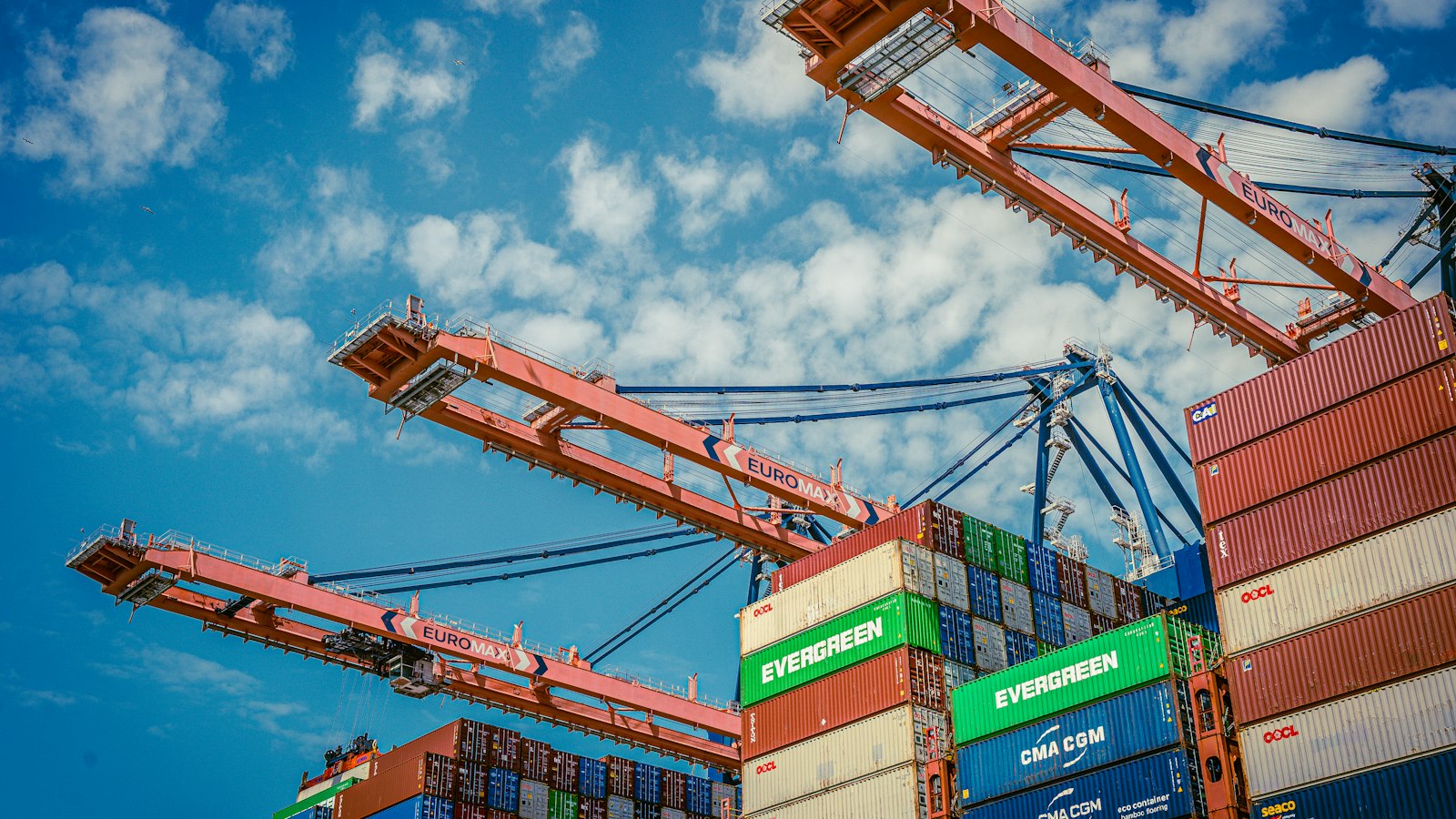
Although Customs Clearance and Transportation are directly related in international shipping, they serve entirely different functions. Transportation refers to the physical movement of cargo from one point to another—such as from Thailand to a destination country—using airplanes, ships, trucks, or multimodal transport. Customs Clearance, on the other hand, is the administrative process of fulfilling legal customs procedures so that goods can be legally exported or imported. In short, transportation moves the goods, while customs clearance regulates their entry and exit according to the law. Both processes must work in tandem to ensure a complete international delivery.
Why is Customs Clearance Important for Exporters?
For businesses engaged in cross-border trade, understanding the principles of Customs Clearance provides a clearer picture of the entire export and import lifecycle. International commerce does not end with a sales agreement and logistics selection; it requires strict adherence to the laws of both origin and destination countries. Properly classifying goods, complying with regulations, and executing accurate customs clearance are vital components of successful fulfillment. Especially for businesses that regularly ship products abroad, comprehending the roles of each stakeholder and the relationship between physical transport and customs formalities allows for more efficient shipment planning and cross-functional coordination.
Conclusion
Customs Clearance is an essential pillar of international trade, regulating the import and export of goods in compliance with national laws. It encompasses cargo inspection, product classification, customs valuation, and the collection of duties and taxes. By understanding the distinction between customs procedures and physical transportation, along with the roles of all involved parties, exporters and importers can navigate international shipping with greater clarity.Disclaimer: This article provides general information regarding the principles and roles of customs clearance. Actual regulations and operational procedures may vary depending on the laws of individual countries, product types, and import/export methods.
Ready to ship from Thailand?
Check your shipping rate online, or ask our team on LINE.