Micro Export: Small Businesses Can Export Too – Opportunities for SMEs and Thai Online Merchants
← Articles / Grow your online business
If you want to sell products to international customers, you don’t need to be a large enterprise.
Imagine a small online shop selling handmade jewelry, canvas bags, clothing, or home decor. One day, a customer from Japan, Singapore, or Australia messages to ask if you can ship your products internationally.
For some sellers, this might be an unexpected opportunity. Traditionally, exporting brings to mind large factories, bulk shipments, or working through overseas distributors.
Today, however, small-scale entrepreneurs can also start selling to international buyers. This concept is known as Micro Export, opening doors for small businesses and online shops to test international markets by starting with small quantities of products.
1. What is Micro Export?
Micro Export is an approach to exporting goods in small quantities, tailored for micro-entrepreneurs, SMEs, and online shops looking to sell to overseas customers without the need to start with large-scale bulk shipments like traditional exporting.
Examples include:
- A handmade jewelry shop fulfilling an international order of just 2–3 items.
- A clothing store with overseas buyers ordering items for trial distribution.
- A soap or craft maker looking to test the market in neighboring countries.
- A home decor shop receiving orders from foreign buyers via Instagram or Facebook.
- A niche seller with loyal customers scattered across multiple countries.
Even fulfilling just a few items at a time serves as an opportunity to expand your market beyond Thailand.
Note: Micro Export is a business concept, not a formal export category that is automatically exempt from regulatory requirements. Shipping goods abroad still requires compliance with the rules and regulations of both origin and destination countries.
2. What Kinds of Products Are Suitable for Starting to Export?
Products from Thailand are wonderfully diverse, and many categories can easily reach international customers through digital channels. Examples include:
- Fashion and Accessories: Apparel, bags, handmade jewelry, and unique fashion items are products that sellers can easily showcase through photos and videos to attract overseas buyers.
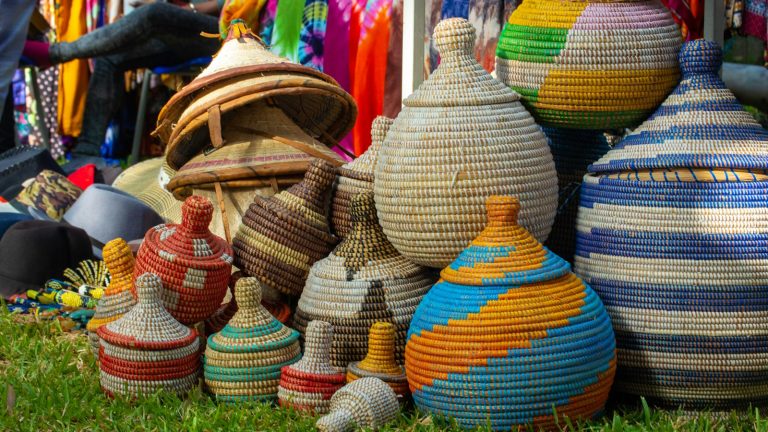
- Handicrafts and Lifestyle Goods: Traditional crafts, home decor, utensils, and items reflecting unique Thai identity appeal to buyers looking for something distinct from mass-produced goods.
- Niche Products: Specialized items like hobby equipment, collectibles, or gear for specific activities can find growth in overseas markets, even if the buyer base is smaller than mainstream goods.
However, selecting products for export requires looking beyond mere popularity. You must verify whether the items can legally be shipped to the destination country, if special permits or licenses are required, and if shipping costs align with your retail price.
3. Where Can Online Merchants Start Selling to International Customers?
Today, sellers do not need physical storefronts abroad to reach global buyers. Online channels allow small shops to present their products to brand-new customer segments.
Interesting channels include:
- Instagram and Facebook: Ideal for visually driven products such as clothing, accessories, crafts, and decor.
- TikTok: Utilizing short videos to demonstrate products, show behind-the-scenes creation processes, or share stories.
- Marketplaces: Certain online trading platforms allow sellers to reach global customers, subject to platform-specific conditions.
- Your Own Website: Enables direct presentation of products, detailed descriptions, and contact info while building long-term brand identity.
Before launching, research whether each channel supports sellers from Thailand, along with its fee structure, payment methods, and shipping policies.
4. What Should You Plan When Starting with Small Orders?
Taking your first international shipment may seem complicated, but you can approach it step-by-step through proper planning:
- Understand Your Customers and Target Market: Start with countries where buyers have shown interest or already contacted you. Research market demands and import regulations for your specific product category.
- Calculate Total Costs Accurately: Don't just factor in product manufacturing and shipping. Consider packaging materials, platform commissions, payment processing fees, and other related expenses to ensure appropriate pricing.
- Prepare Clear Product Data: Product details—such as names, materials, components, quantities, and values—must match physical items accurately to support customs clearance.
- Choose Suitable Shipping Methods: High-value, lightweight items may require trackable, secure delivery, while bulky or heavy items necessitate careful balancing of freight costs and service conditions.
- Test Before Scaling: If shipping to a new country for the first time, start with small orders to learn the procedures, costs, and customer preferences before scaling up volume.
5. Key Challenges Small Merchants Should Know Before Exporting
While Micro Export makes starting easier, selling to international buyers requires careful planning:
- Shipping Costs: Freight expenses can make up a large proportion of total costs, especially for lower-priced items or items where physical volume outweighs actual weight.
- Import Regulations: Certain goods face restrictions, requiring specific documents, licenses, or additional inspections.
- Customer Communication: Sellers must clearly explain product details, pricing, and shipping terms so international buyers understand them completely.
- Price Calculation: You must account for all expenses, including potential destination taxes or handling fees depending on your sales terms.
Early preparation helps minimize errors and allows sellers to evaluate whether fulfilling international orders makes financial sense for their business.
6. From a Small Shop to the Global Market: Starting with Small Steps
Exporting doesn't always require warehouses full of inventory or massive order volumes. Unique online shops, artisanal craft makers, and SMEs with ready stock can start exploring international markets with just a few customers.
The keys to success are understanding your products, knowing your customers, calculating costs thoroughly, and selecting shipping methods tailored to your items and destination countries.
Ready to ship from Thailand?
Check your shipping rate online, or ask our team on LINE.